Safety Net: Essential Protection for Homes, Construction, and Industrial Safety
In today’s fast-paced world, ensuring safety in residential, commercial, and industrial environments has become more important than ever. A Safety Net plays a crucial role in preventing accidents, protecting lives, and minimizing property damage. Whether used in construction sites, balconies, playgrounds, or warehouses, this simple yet effective solution offers reliable protection in various situations.
What is a Safety Net?
A safety net is a durable mesh made from high-quality materials such as nylon, polyethylene, or polypropylene. It is designed to catch falling objects or people, providing a protective barrier that reduces the risk of serious injuries. These nets are widely used in high-risk areas where falls or debris can pose a threat.
The versatility of a safety net makes it suitable for multiple applications, ranging from construction projects to residential safety enhancements. Its lightweight yet strong structure ensures both flexibility and durability, making it an ideal choice for long-term use.
Importance of Safety Net in Construction
Construction sites are among the most hazardous workplaces, where workers operate at heights and heavy materials are constantly in motion. Installing a safety net in such environments significantly reduces the chances of fatal accidents.
Workers are often exposed to risks like slipping, losing balance, or being hit by falling objects. A properly installed safety net acts as a protective layer, ensuring that even if accidents occur, the impact is minimized. This not only saves lives but also helps companies comply with safety regulations and avoid legal complications.
Additionally, these nets improve worker confidence. When employees feel secure, they tend to perform better and maintain higher productivity levels.
Residential Uses of Safety Net
Beyond construction, a safety net is increasingly being used in homes and apartments. Urban living often involves high-rise buildings, making balconies and windows potential danger zones, especially for children and pets.
Installing a safety net in balconies prevents accidental falls while still allowing ventilation and visibility. Parents can feel more at ease knowing their children are protected. Similarly, pet owners benefit from these nets as they prevent animals from slipping or jumping out of open spaces.
Another common use is for staircases and open terraces. A well-installed safety net ensures that even the most vulnerable members of the family remain safe at all times.
Types of Safety Net
There are several types of safety net available, each designed for specific purposes:
1. Construction Safety Net
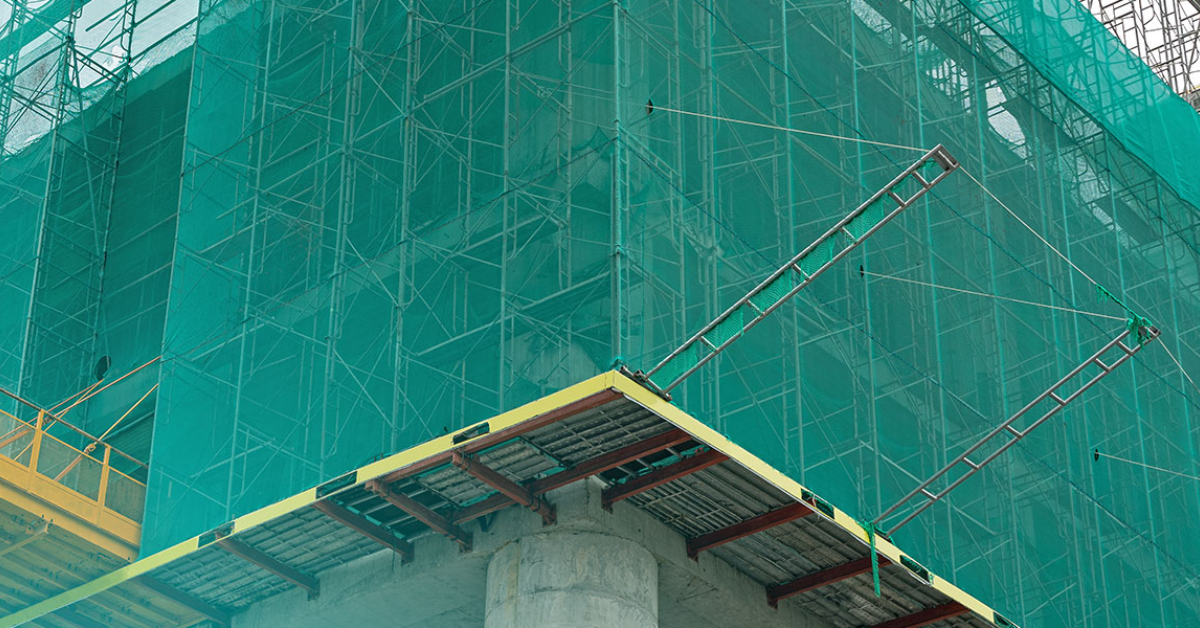
Used on building sites to catch falling workers or debris. These are highly durable and designed to withstand heavy loads.
2. Balcony Safety Net
Installed in residential spaces to prevent falls. These nets are usually transparent or less visible to maintain aesthetics.
3. Anti-Bird Net
Helps keep birds away from balconies, windows, and open areas without harming them.
4. Industrial Safety Net
Used in warehouses and factories to secure goods and protect workers from falling objects.
5. Sports Safety Net
Commonly seen in playgrounds and sports arenas to prevent balls from going out of bounds or causing injuries.
Each type of safety net is designed to serve a unique purpose while maintaining the core objective of safety and protection.
Materials Used in Safety Net
The effectiveness of a safety net largely depends on the material used in its construction. Some common materials include:
- Nylon: Known for its strength and elasticity, making it ideal for heavy-duty applications.
- Polyethylene: Lightweight and resistant to weather conditions, suitable for outdoor use.
- Polypropylene: Cost-effective and durable, often used in residential settings.
These materials ensure that the safety net remains strong, long-lasting, and capable of handling various environmental conditions.
Benefits of Installing Safety Net
There are numerous advantages to installing a safety net in both residential and commercial spaces:
- Accident Prevention: Reduces the risk of falls and injuries.
- Cost-Effective Solution: Provides long-term protection at a relatively low cost.
- Easy Installation: Can be installed quickly without major structural changes.
- Durability: Designed to withstand harsh weather and heavy use.
- Versatility: Suitable for multiple applications across different environments.
These benefits make a safety net an essential investment for anyone prioritizing safety.
Installation and Maintenance
Proper installation is key to ensuring the effectiveness of a safety net. It should always be installed by professionals who understand the correct tension, anchoring methods, and positioning.
The net must be securely attached to strong support structures to handle impact effectively. Poor installation can compromise its performance and lead to safety risks.
Maintenance is equally important. Regular inspections should be conducted to check for wear and tear, loose fittings, or damage. Cleaning the net periodically helps maintain its strength and appearance.
Replacing damaged sections promptly ensures that the safety net continues to provide optimal protection.
Safety Standards and Compliance
When choosing a safety net, it is important to ensure that it meets industry safety standards. Certified nets are tested for strength, durability, and load-bearing capacity.
Compliance with safety regulations is especially crucial for construction companies and industrial setups. Using approved safety net solutions not only protects workers but also helps avoid penalties and legal issues.
Always verify the quality and certification of the product before installation.
Choosing the Right Safety Net
Selecting the right safety net depends on several factors:
- Purpose of Use: Residential, industrial, or construction.
- Material Quality: Ensure durability and weather resistance.
- Mesh Size: Smaller mesh for child safety, larger for industrial use.
- Load Capacity: Must match the expected weight it needs to handle.
- Installation Area: Consider the size and structure of the space.
By evaluating these factors, you can choose a safety net that perfectly meets your requirements.
Future of Safety Net Solutions
With advancements in technology, modern safety net designs are becoming more efficient and aesthetically pleasing. Innovations such as UV-resistant coatings, fire-retardant materials, and high-tensile fibers are enhancing their performance.
As safety awareness continues to grow, the demand for reliable safety net solutions is expected to increase across various industries.
Conclusion
A safety net is more than just a protective barrier; it is a vital safety solution that safeguards lives and property. From construction sites to residential balconies, its applications are vast and highly effective.
Investing in a high-quality safety net ensures peace of mind, knowing that you have taken a proactive step toward safety. Whether for personal use or professional purposes, this simple yet powerful tool plays a crucial role in creating a secure environment for everyone.